We believe it is important you understand each option along with the pro and cons of any decorative process, so this section provides some background information for you when choosing what will work best for you.
There are many ways an item can be decorated, and you will find these terms referred to in any correspondence with us. Here we talk about some of our more popular decorative methods.
We believe it is important you understand each option along with the pro and cons of any decorative process, so this section provides some background information for you when choosing what will work best for you.
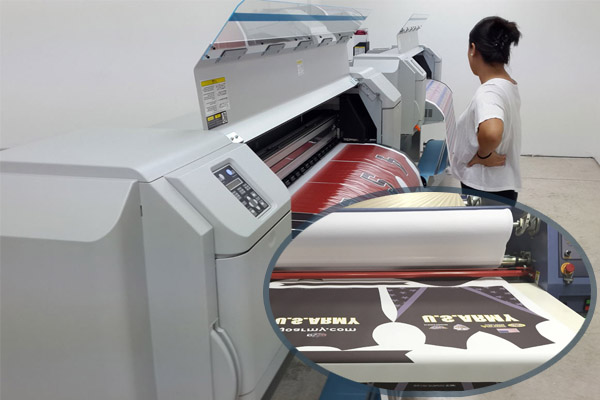
Sublimation is the process of transferring dye to a fabric using heat. The images and graphics are printed on special paper placed on the garment and heat is applied, allowing the ink to become part of the fabric. As the dye becomes embedded in the actual fibres, it results in a permanent print.
In the print-on-demand world, it’s the go-to printing method for creating all-over print products.
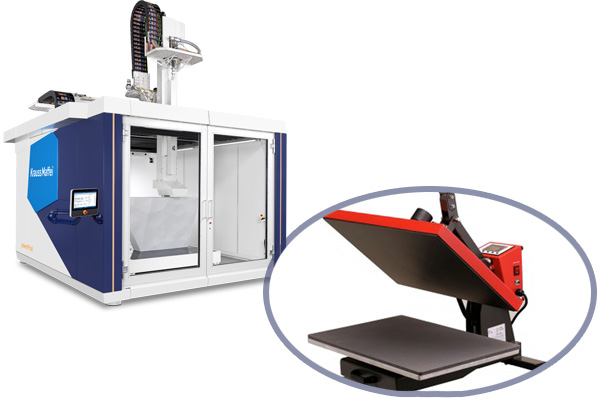
Powerprint is an effective laser print transfer medium that transfers images from a laser printer to fabrics, wood, paper, ceramic, cardboard, canvas & metal surfaces. The transfers once printed are then applied to items using a heat press to apply both heat and pressure to imprint designs onto item.
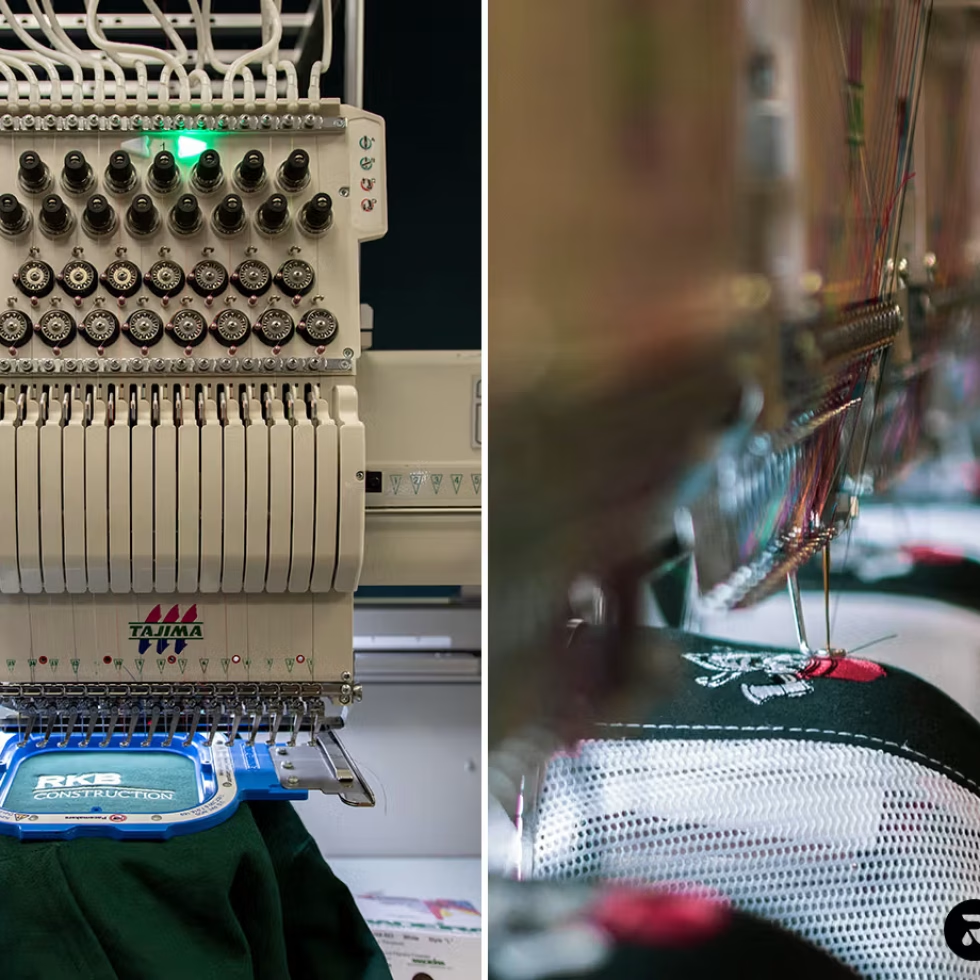
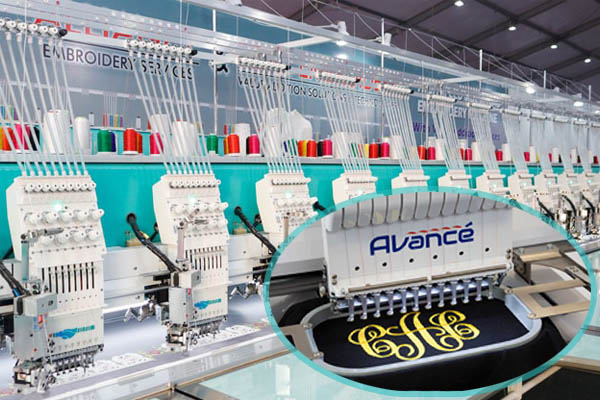
Embroidery is the craft of decorating fabric or other materials using a needle to apply thread or yarn. Modern commercial embroidery machines can sew at speeds greater than 900 stitches per minute and maintain perfect quality. Embroidery is available in a wide variety of thread or yarn colours.
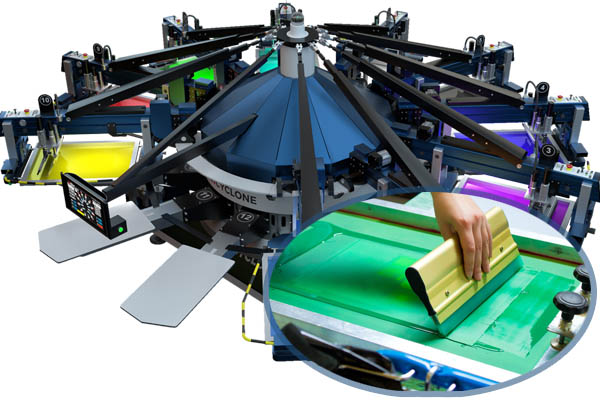
Screen Printing, also referred to as Silk Screening, is a popular printing method that presses ink through a mesh screen in order to create a printed design. With screen printing, the design is put as a layer on top of the garment and each colour must be “screened” individually.
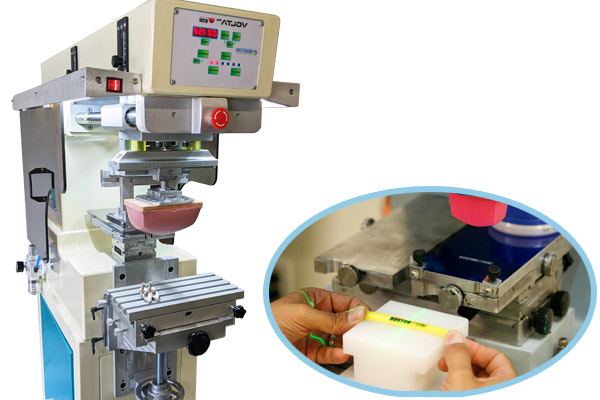
Pad Printing involves printing a 2D image on a 3D object. It is also known as tomography and tampo printing, an indirect photogravure process. This means the pad (indirect offset/ gravure) in the printing machine uses heat to transfer the image from the flat printing plate to the object.
This process can print detailed and high-quality images on objects with uneven shapes and surfaces at a good speed. Consequently, it is an invaluable process in the medical, automotive, electrical, and several other industries.
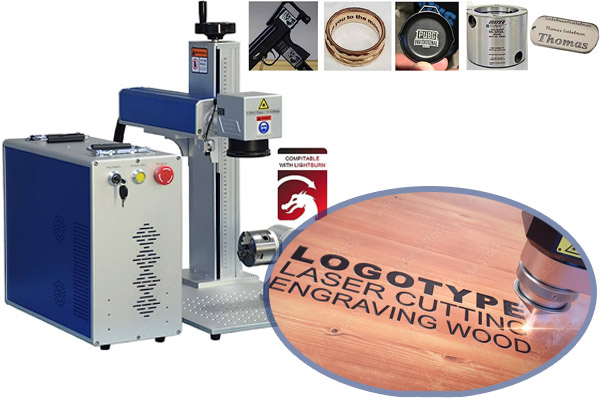
Laser engraving is the practice of using lasers to engrave an object. The technique does not involve the use of inks, nor does it involve tool bits which contact the engraving surface and wear out, giving it an advantage over alternative engraving or marking technologies where inks or bit heads are replaced regularly. It also allows for a 2D image to be applied on a 3D object.
This process provides detailed and high-quality images on objects with uneven shapes and surfaces at a good speed. Consequently, it is an invaluable process in the medical, automotive, electrical, and several other industries.

We deliver your orders on time with efficient production, reliable logistics and fast turnaround times you can count on.

Our commitment continues after delivery with dependable after-sales support and product warranty for complete peace of mind.
Our in-house design team creates custom apparel and branding solutions at no additional design cost.
With direct manufacturing control, we ensure consistent quality, faster production and competitive pricing on every order.

Premium custom apparel and merchandise at competitive prices, delivering outstanding value without compromising quality.
Order exactly what you need, whether it's a single item or a large bulk order, with complete flexibility.
We accurately recreate existing garments, uniforms and merchandise to match your design, colours and specifications.
Proudly Australian owned, we combine local service with global manufacturing expertise to deliver exceptional results.